Content


What is sodium sulphate? Sodium sulphate is an inorganic compound composed of sodium, sulfur, and oxygen, with the chemical formula Na₂SO₄. It appears as a white crystalline solid or powder and is highly soluble in water. Naturally occurring in mineral deposits such as mirabilite and thenardite, sodium sulphate has been utilized for centuries in various applications. In its anhydrous form, it is known as the rare mineral thenardite, while the decahydrate form is called Glauber's salt. Sodium sulfate what is it for? It serves as a fundamental raw material in numerous industrial processes due to its stability, non-toxicity, and affordability.

Chemical composition and formula of Sodium Sulphate
The Sodium Sulphate formula is Na₂SO₄, indicating that each molecule consists of two sodium ions (Na⁺) and one sulphate ion (SO₄²⁻). The sulphate ion is a tetrahedral arrangement comprising one sulfur atom centrally bonded to four oxygen atoms. Understanding what is sulfate is crucial, as the sulfate ion is a common polyatomic ion found in various chemical compounds. This ionic structure contributes to sodium sulphate's high solubility in water and its ability to form hydrates. The compound's chemical properties, such as its neutrality and thermal stability, make it suitable for diverse industrial applications, including acting as a filler, a drying agent, and a reactant in chemical synthesis.
Common uses of Sodium Sulphate in different industries in Brazil
The uses of Sodium Sulphate are extensive, particularly in industries across Brazil where it plays a vital role. One of the primary applications is in the detergent and cleaning agent industry. Sodium sulphate acts as a filler in powdered detergents, helping to standardize product concentration and improve the texture, preventing caking and ensuring even distribution of active ingredients.
In the glass manufacturing sector, what is sodium sulfate used for is as a fluxing agent. It helps remove small air bubbles from molten glass, leading to higher quality and clarity. This is essential in Brazil's booming construction and automotive industries, where high-quality glass is in demand for buildings and vehicles.
In the textile industry, sodium sulphate is used during the dyeing process. It facilitates uniform dye penetration into fibers, resulting in consistent and vibrant colors. This application is significant for Brazil's textile market, which is known for its colorful fabrics and fashion products.
Additionally, sodium sulphate is utilized in the production of kraft paper, contributing to the strength and durability of paper products. It also finds use in the pharmaceutical industry as a laxative and in the chemical industry as a reactant for producing other chemicals.
Why is Sodium Sulphate important? Key benefits and applications
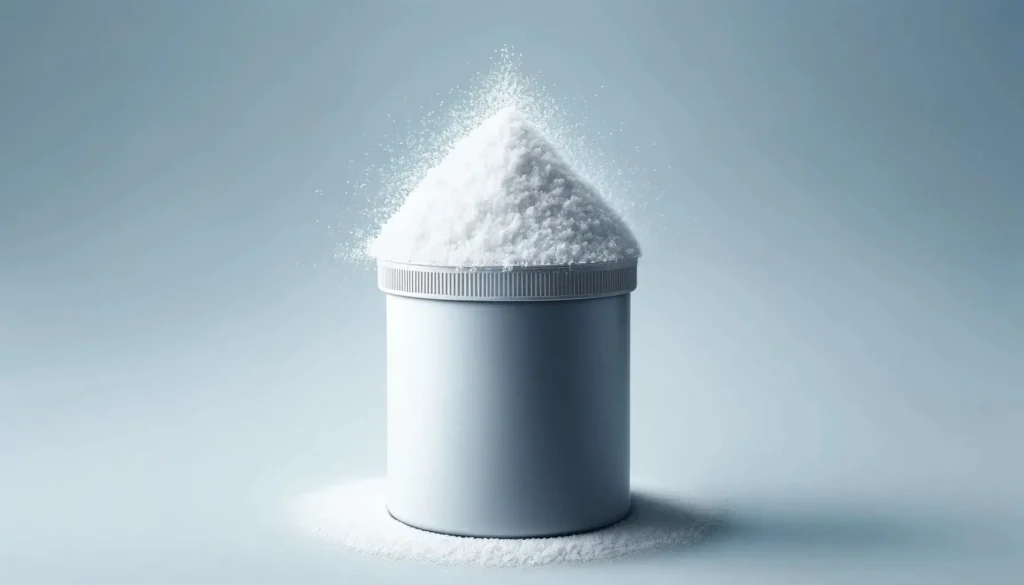
Sodium sulphate is important due to its versatility, cost-effectiveness, and beneficial properties that enhance industrial processes. One of the key sodium sulfate benefits is its thermal stability, allowing it to withstand high temperatures without decomposing, which is crucial in glass and paper manufacturing. Its high solubility and neutral pH make it an ideal filler in detergents, improving product performance without reacting adversely with other components.
In the textile industry, sodium sulphate prevents negative charges on fibers, promoting better interaction with dyes and leading to superior fabric quality. Its non-toxic and environmentally friendly nature aligns with the global shift towards sustainable practices, making it a preferred choice in various applications.
Moreover, sodium sulphate's availability and low production cost contribute to its importance. It helps industries optimize their processes economically, which is particularly beneficial for businesses in Brazil, aiming to remain competitive in the global market.
Conclusion: Sodium Sulphate and its versatile applications
In summary, sodium sulphate is a multifaceted compound with a wide range of sodium sulfate applications that are integral to numerous industries. Its unique chemical properties, such as high solubility, thermal stability, and non-toxicity, underline the importance of sodium sulfate in manufacturing processes like glass production, detergent formulation, textile dyeing, and paper manufacturing.
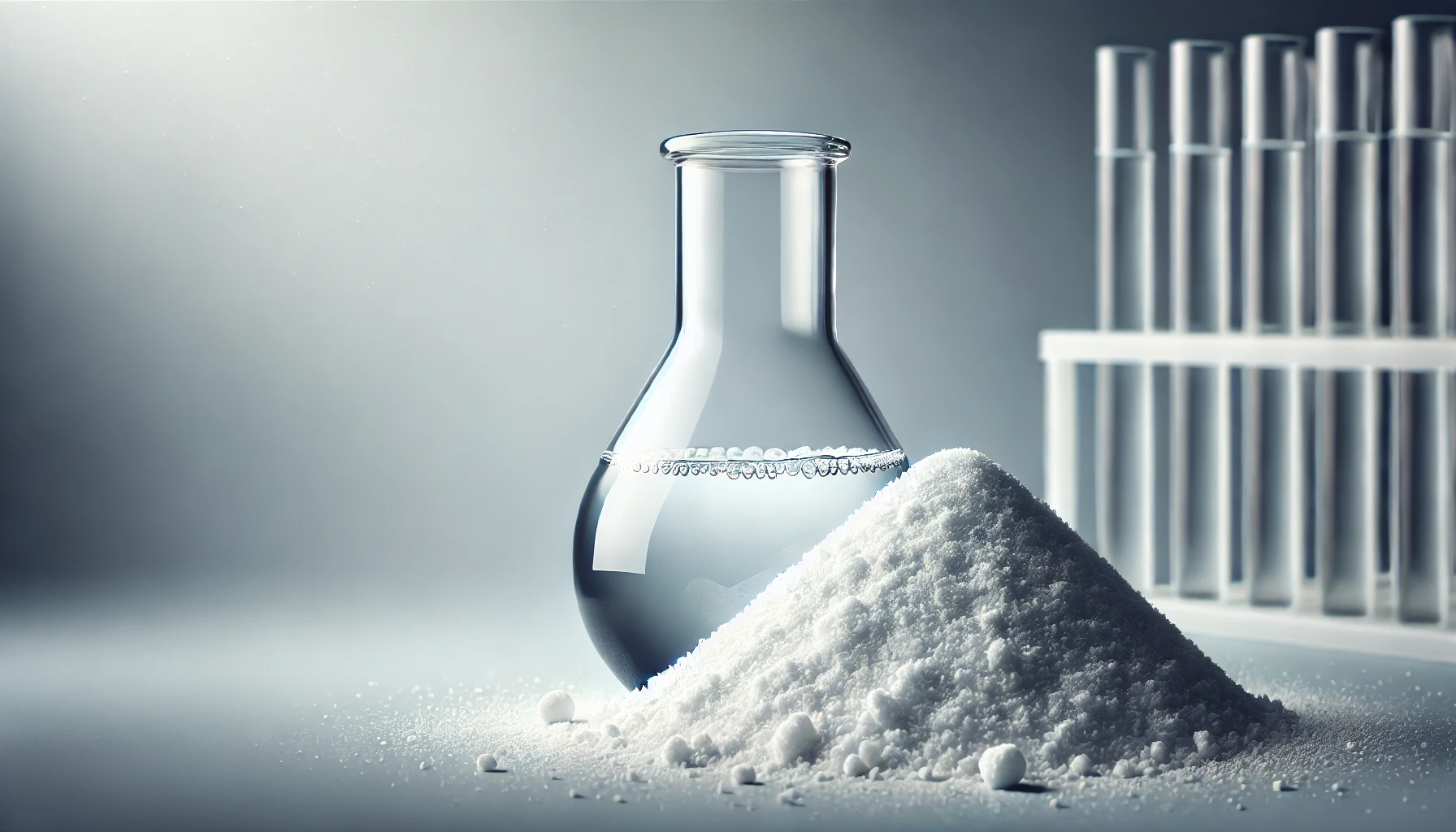
Recognizing its significance allows businesses to leverage sodium sulphate effectively, enhancing product quality and operational efficiency. As industries in Brazil continue to expand and innovate, sodium sulphate remains a key component supporting this growth.
At Foscote Group, we are committed to supplying high-quality sodium sulphate to meet the diverse needs of your business in Brazil and around the world. Our expertise and dedication to customer satisfaction make us a reliable partner for your chemical material requirements. Contact us today to discover how we can contribute to your success with our premium sodium sulphate offerings.