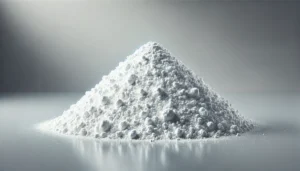
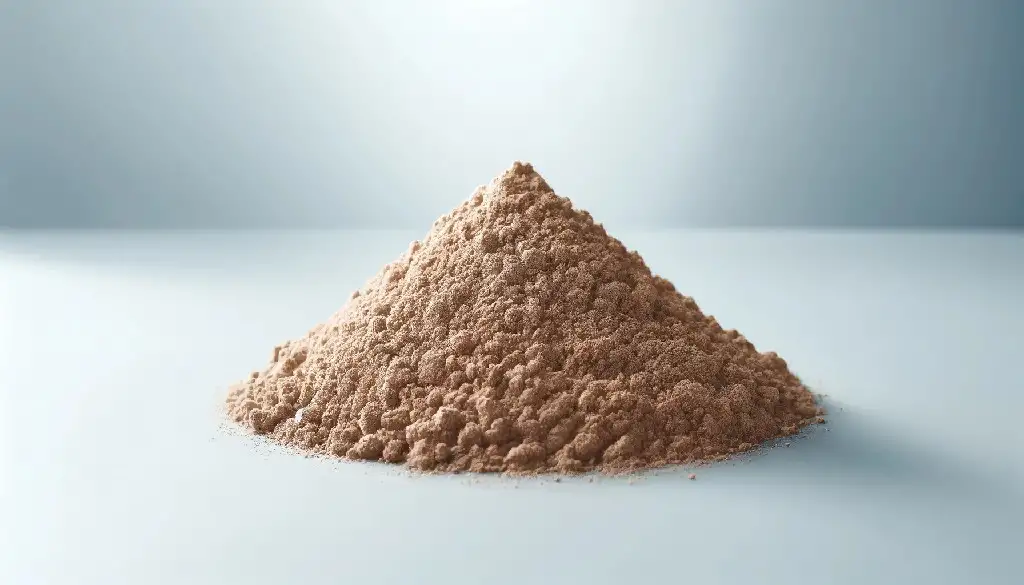
Sodium lignosulphonate (SLS) is an inexpensive, multifunctional, and eco-friendly additive widely used in a great many industries within Brazilian industry. The pulp and paper industry by-product, it is highly sought after for its water-reducing, binding, and dispersion properties and as a basic constituent in the vast majority of its industrial applications. As detailed below, we discuss its main applications within a range of industries and the role it contributes to efficiency and sustainability.
Construction industry: enhancing concrete performance
Sodium lignosulphonate is widely used in the construction industry as an additive to cement for better workability and durability of concrete. Sodium lignosulphonate as a cement plasticizer enhances the fluidity of cement mixes with reduced addition of water. This creates water reducer in cement mixes and results in stronger, more durable concrete structures.
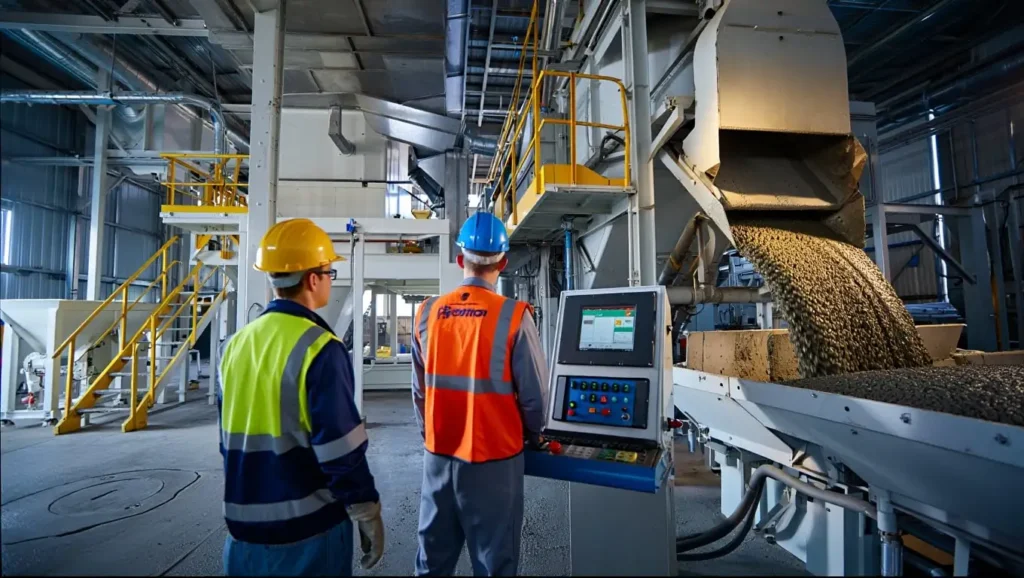
Benefits of sodium lignosulphonate for concrete
- Better workability – enhances flowability of concrete without losing strength.
- Lower water content – reduces amount of water used in the mix, increasing cement hydration.
- Greater durability – reduces shrinkage and cracking, resulting in longer-lasting structures.
Due to these benefits, concrete sodium lignosulphonate is commonly applied to all large-scale building projects across Brazil, including infrastructure, housing construction, and commercial building.
Agriculture: fertilizers, soil conditioning, and animal feed
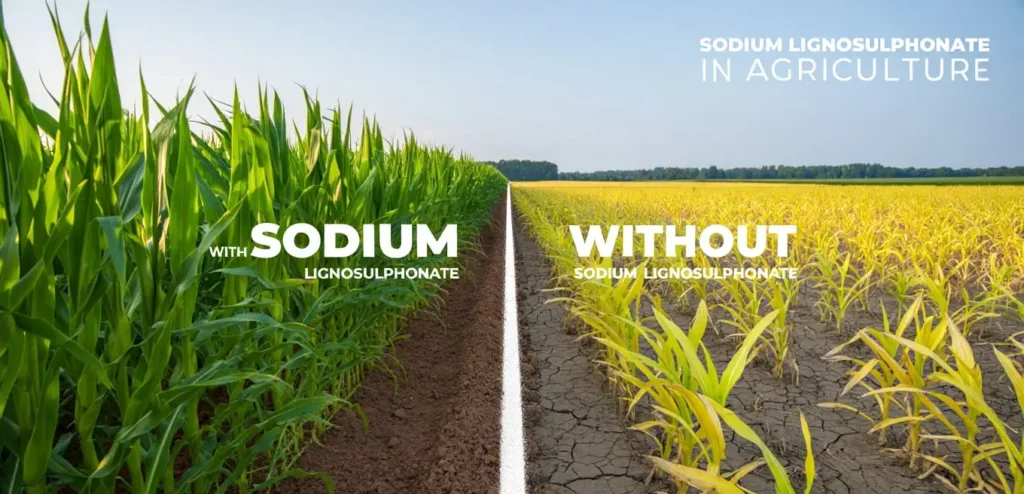
Brazil's agricultural industry is dependent on sodium lignosulphonate because it can increase the quality of the soil and increase the effectiveness of the fertilizer. When applied in sodium lignosulphonate in fertilizers, it binds nutrients and controls the release for perfect absorption by the plant.
In addition, it is a binder for animal feeds lignosulphonate, improving the nutritional stability and texture of feed pellets for livestock. In soil conditioning, sodium lignosulphonate plays a crucial role in improving water retention and eliminating erosion in soils.
Agricultural Key Benefits:
- Fertilizer efficiency – maximizes nutrient uptake and minimizes leaching losses.
- Animal feed production – a natural binder, improving feed pellet strength.
- Soil improvement – avoids soil erosion and enhances water retention.
With Brazil's wide agricultural terrain, the use of sodium lignosulphonate greatly contributes to eco-friendly farming and productivity overall.
Pulp and Paper Industry: Improving Manufacturing Efficiency
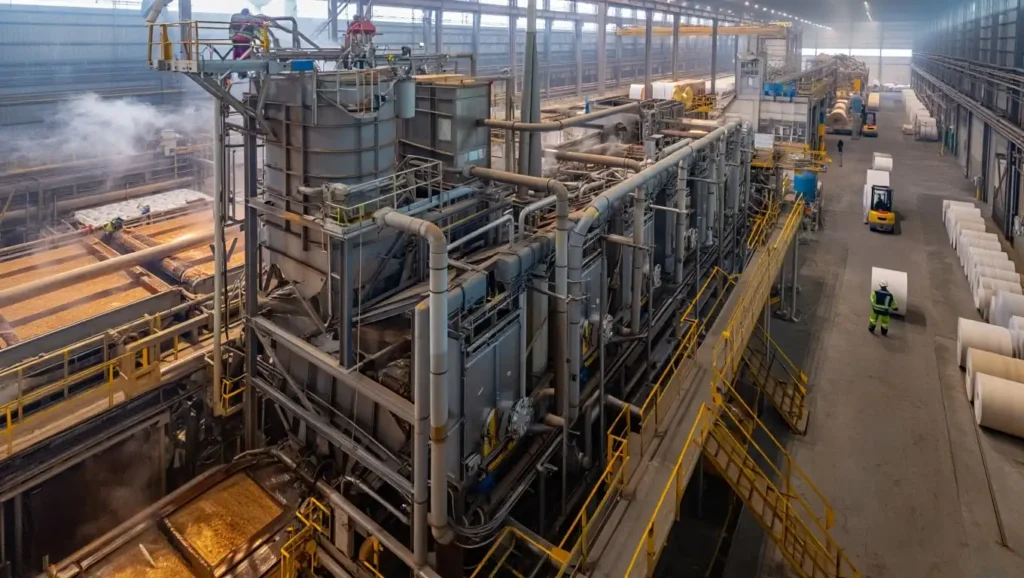
Pulp and paper is also a significant industry where sodium lignosulphonate plays a vital role. It is used to improve dispersion of fibers and prevent clumping in sodium lignosulphonate applied in pulp processing. Further, as a lignosulphonate dispersant applied in paper production, it is responsible for smoothness and uniformity of paper sheets, enabling consistent texture and strength.
Benefits to the Paper Industry:
- Enhanced fiber distribution – leading to smoother and more uniform paper sheets.
- Increased strength – strengthening paper toughness for various industrial applications.
- Reduced processing cost – increasing production efficiency by minimizing fiber loss.
These advantages make improving paper quality using sodium lignosulphonate a necessary factor in Brazilian paper production, improving the overall quality and efficiency of the process.
Mining Industry: Ore Processing and Dust Control
Brazilian mining also benefits from the application of sodium lignosulphonate, particularly sodium lignosulphonate used for ore binding. It serves as a binder to improve the pelletization of mineral ores so that it is easy to transport and smelt.
Besides, mineral flotation with lignosulphonates enhances the separation of valuable minerals from impurities, hence yield extraction is increased. It is also essential in dust suppression in mining using sodium lignosulphonate, reducing particles in the air and improving working conditions for employees.
Key advantages of sodium lignosulphonate in mining:
- Strengthen ore pellets – preserves equal size and density to ensure efficient processing.
- Enhances flotation efficiency – enables selective separation of valuable minerals.
- Decreases dust pollution – helps in curbing airborne dust during open-pit and underground mining operations.
Even though Brazil continues to be a significant world leader in mineral exports, use of sodium lignosulphonate continues to play an important role in sustainable and cost-effective mining operations.
Environmental Advantages and Why Foscote Group is Your Reliable Supplier
Among its notable advantages, environmental safety is one of the most critical for sodium lignosulphonate. In contrast to most man-made additives, it is environmentally friendly, non-toxic, and encourages sustainable industrial application. Its application in sustainable production, land restoration, and water treatment is becoming particularly precious in Brazil, where stricter environmental laws are being implemented.
If you need a reliable supplier of sodium lignosulphonate in Brazil, Foscote Group is here to assist you. We are the professionals in the supply of high-quality sodium lignosulphonate to different companies across an array of industries, promoting supply chain consistency and product reliability.