

Egypt

1344-09-8
| # | Parameter | Value |
|---|---|---|
| 1 | Molar Ratio | 2.3-2.4 |
| 2 | Sodium Monoxide (wt% Na2O) | 29.35-30.24% |
| 3 | Silica (wt % SiO2) | 69.55-70.45% |
| 4 | Total Solids (wt %) | 99.9% |
| 5 | Insoluble matter% | ≤0.2% |
| 6 | Characteristics | Coarse lumps |
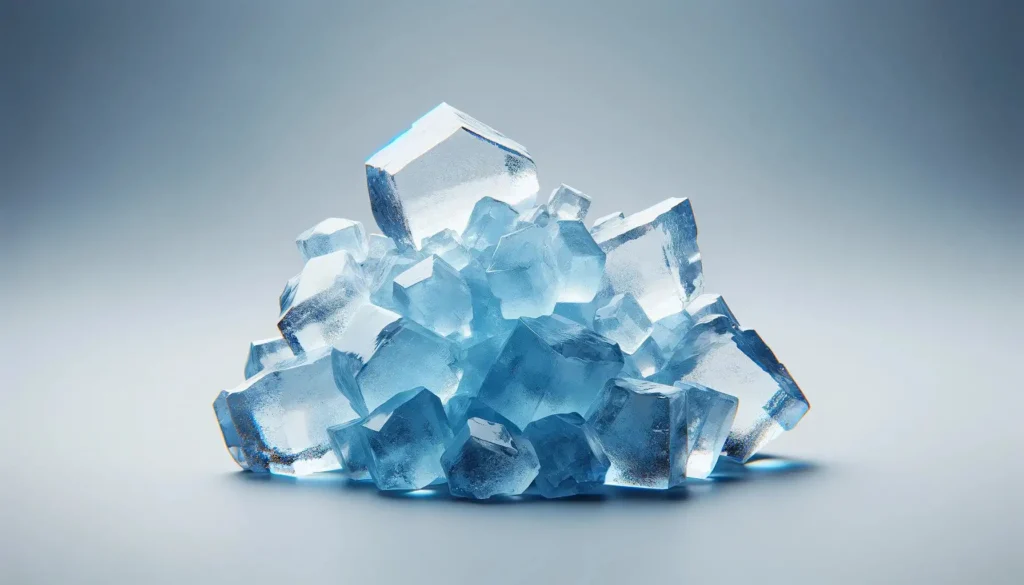
Sodium Silicate Solid 2.3 is a highly sought-after form of sodium silicate that features a specific ratio of sodium and silica components. It typically appears as a glass-like substance, making it more practical for long-term storage and transportation compared to its liquid counterpart. Businesses in different industries value this product for its exceptional durability, chemical stability, and capacity to enhance the performance of various formulations. By adjusting how it is introduced into a production process, companies can improve their end products at a relatively low cost, which is especially beneficial for many enterprises.
The defining sodium silicate properties make this material a favorite in numerous technical processes:
Compared to other types of sodium silicate, the “2.3” variant boasts an optimized ratio of sodium and silica oxides, simplifying the integration into formulations and delivering consistent results.
The sodium silicate pH has a direct impact on how the product behaves in mixtures and how it interacts with other components. It generally registers as strongly alkaline, which is beneficial for boosting adhesive and reinforcing qualities in concrete mixes, metal casting, or other industrial applications.
Meanwhile, sodium silicate solubility in water depends on temperature and concentration; process engineers carefully select the correct dissolution parameters to maximize efficiency. For instance, with a higher temperature, solubility increases, making it easier to prepare working mixtures and achieve uniform distribution.
Industrial consumption of this product spans multiple markets. The most frequent sodium silicate used sectors include:
This wide range of uses offers flexibility for different businesses, paving the way for innovative process solutions.
Despite its advantages, correct handling of the product is paramount. Sodium silicate disposal requires adherence to several guidelines:
In comparison to many other chemical agents, solid sodium silicate is relatively benign, lacking harmful components and dispersing rapidly when exposed to water.
Determining the sodium silicate price typically depends on several elements, such as:
Foscote Group offers competitive pricing by optimizing sourcing strategies and delivering exceptional service. This approach allows our clients to plan effectively and receive a consistently high-quality product.
Foscote Group has the resources necessary to organize on-time delivery, acting as a sodium silicate solid 2.3 supplier rather than a manufacturer. Because of this, we can buy sodium silicate solid 2.3 directly from top global producers, ensuring the best terms for our customers. Our clients operate worldwide, including in Brazil, and benefit from:
With these advantages, companies in various industries can harness the benefits of Sodium Silicate Solid 2.3, making their production efforts both resource-efficient and profitable.
Get in touch
with us!
We source products from reliable manufacturers across the globe and are always looking forward to connecting with new suppliers and customers.