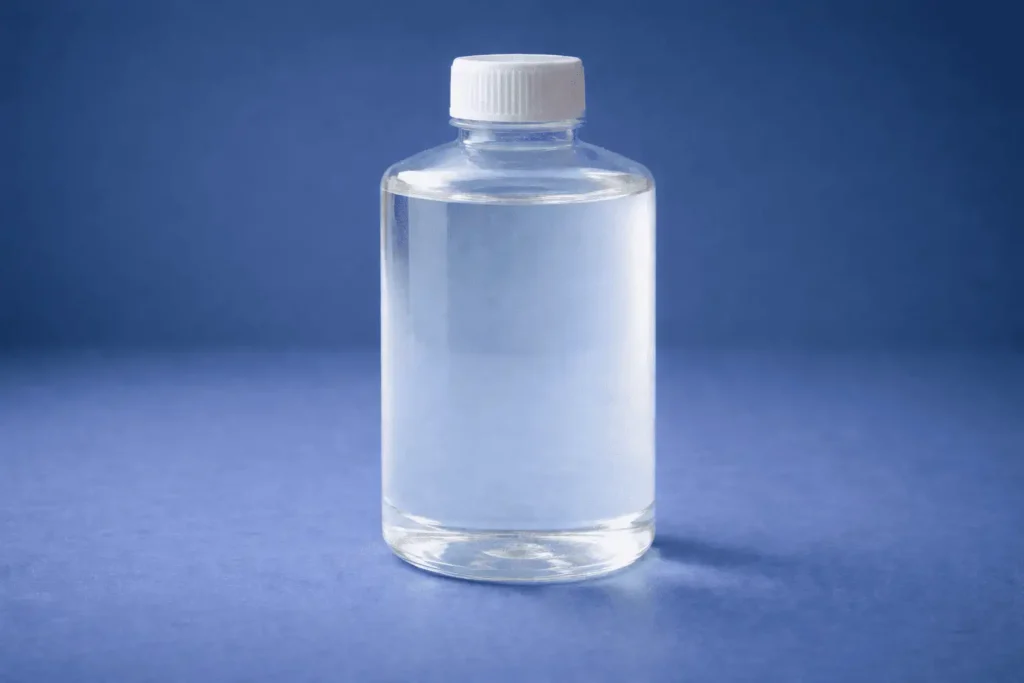
Glycols represent a crucial class of organic compounds widely used across diverse industrial sectors. These versatile chemicals, known for their dual alcohol groups, serve as solvents, humectants, antifreeze agents, and formulation aids. The term "glycols" includes a variety of specific substances such as Monoethylene Glycol (MEG), Diethylene Glycol (DEG), Monopropylene Glycol (MPG), Butyl Glycol, Butyl Diglycol (BDG), Triethylene Glycol (TEG), and Neopentyl Glycol (NPG).
In the Brazilian market, demand for glycols continues to rise due to their cross-functional roles in chemical manufacturing, automotive production, and agrochemical formulations. Their efficiency and compatibility make them essential across both traditional and modern industrial processes.
Each glycol shares a fundamental characteristic: the presence of two hydroxyl (-OH) groups, which contribute to their hygroscopic nature. This means they attract and retain moisture—a trait useful in many formulations. Glycols are generally water-soluble and also blend well with various organic compounds, giving them flexibility in different chemical systems.
They offer:
These features allow glycols to function as cooling agents, plasticizers, and intermediates in the production of polymers and surfactants. In industrial chemistry, they are often the backbone of complex formulations where precise control over viscosity and moisture content is essential.
Each glycol type brings unique advantages depending on the target application:
Understanding these differences helps industries select the most efficient option for their process.
In Brazil, glycols play an important role in the value chains of several core industries:
The versatility of these substances makes them indispensable in maintaining production efficiency and product quality across sectors.
Brazilian companies looking to secure a reliable glycol supply must evaluate their glycol suppliers on several fronts. Key considerations include:
Strong supplier relationships can reduce lead times, improve traceability, and support long-term formulation development.
Glycols are a foundational group of chemicals with significant utility in Brazilian industry, serving diverse needs from coatings to coolants. Their adaptability, safety profile, and broad compatibility make them irreplaceable in both formulation and processing applications.
Foscote Group is a trusted partner in supplying glycols to industrial clients across Brazil. With a wide product portfolio, high-quality standards, and professional logistics, we ensure consistent delivery and full support for your production needs.
Glycols serve a wide range of functions, including use as solvents, antifreeze agents,
plasticizers, and moisture-retaining agents. In Brazil, they are widely used in the
production of coatings, cleaning products, heat transfer fluids, and resins.
MEG is typically used in industrial applications like coolants and polyester resin
production, while MPG is approved for use in food, cosmetics, and pharmaceuticals due to
its low toxicity. Their functional roles depend on purity, toxicity, and solubility profiles.
Yes. Several types of glycols, particularly MPG and BDG, are biodegradable and compatible
with eco-friendly formulations. They are often used in water-based paints and cleaners
where low environmental impact is essential.
The choice depends on your application. For example:
Consulting with your supplier for technical specifications is essential.
Yes. Foscote Group offers a full portfolio of glycols, including MEG, DEG, MPG, BDG,
Butyl Glycol, NPG, and TEG. We support Brazilian industries with high-quality materials,
reliable logistics, and technical guidance.

Get in touch
with us!
We source products from reliable manufacturers across the globe and are always looking forward to connecting with new suppliers and customers.