
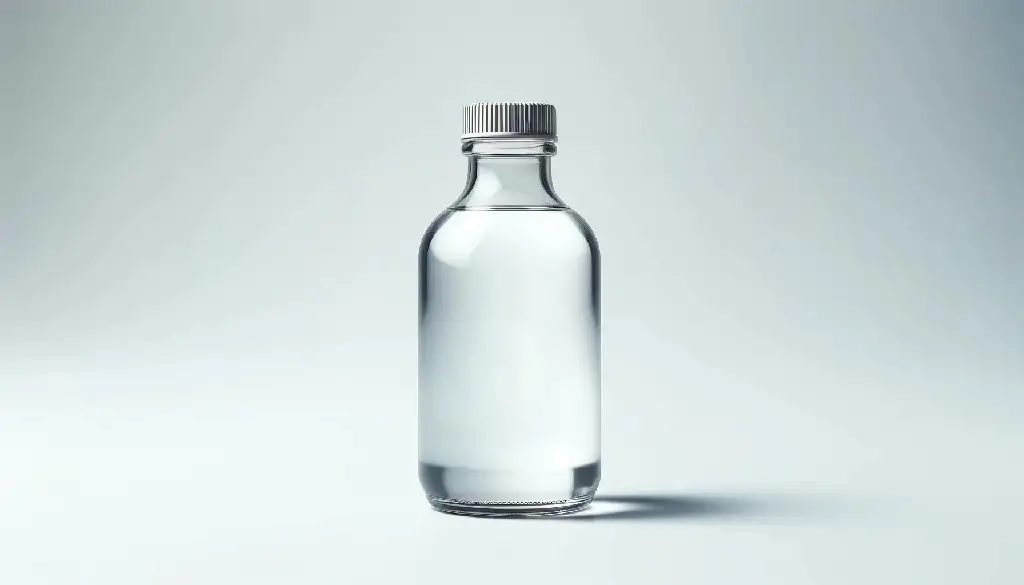

n-Butyl Alcohol, butan-1-ol

C4H10O

71-36-3
200-751-6
| # | Parameter | Value |
|---|---|---|
| 1 | Colority, Hazen units, max | 10 |
| 2 | Density at 20C, g/cm3 | 0.809 – 0.811 |
| 3 | Mass fraction of Butyl alcohol, % min | 99.0 |
| 4 | Mass fraction of acids in acetic acid recalculation,%, max | 0.005 |
| 5 | Mass fraction of carbonyl compounds in butyric aldehyde recalculation,%, max | 0.1 |
| 6 | Mass fraction of non-volatile residue,%, max | 0.0025 |
| 7 | Mass fraction of water,%, max | 0.2 |
| 8 | Bromine number, g of brome/100g of alcohol, max | 0.05 |
N-butanol, also known as n-butyl alcohol, is a primary alcohol with a four-carbon structure and the formula C4H9OH. This versatile chemical is widely used in various industrial applications due to its properties as a solvent and intermediate. N-butanol is known for its effectiveness in producing other chemicals and is commonly utilized in the production of butyl acrylate, butyl acetate, and glycol ethers. In Brazil, the demand for n-butanol continues to grow, supporting numerous industrial processes and applications.
N-butanol is primarily used as a solvent in the production of paints, coatings, varnishes, and inks. Its solvent properties make it ideal for dissolving resins, oils, and dyes, enhancing the application and finish of these products. Additionally, n-butanol is used in the manufacture of plasticizers, which are essential for making flexible PVC. It also plays a crucial role in producing butyl acrylate and butyl acetate, which are used in adhesives and sealants.
In the pharmaceutical industry, n-butanol is used as an extraction solvent for antibiotics, vitamins, and hormones. Its low toxicity and ability to dissolve a wide range of compounds make it valuable in pharmaceutical formulations. N-butanol is also utilized in the production of perfumes and flavorings, acting as a carrier that helps disperse the active ingredients evenly.
Furthermore, n-butanol serves as a raw material in the production of butyl ethers and esters, which are used as intermediates in various chemical syntheses. It is also used in the production of glycol ethers, which are important solvents in the cleaning and printing industries. The versatility of n-butanol extends to its use as a fuel additive, where it helps improve the combustion efficiency and reduce emissions in gasoline engines.
The chemical is also known under various names such as butyl alcohol and 1-butanol, reflecting its widespread use and recognition in the industry. The n butanol uses across different sectors underline its importance in modern manufacturing and industrial processes.
The primary method for producing n-butanol is the oxo process, also known as hydroformylation. This process involves the reaction of propylene with synthesis gas (a mixture of carbon monoxide and hydrogen) in the presence of a catalyst to produce butyraldehyde. The butyraldehyde is then hydrogenated to yield n-butanol. This production method ensures high purity and yield of n-butanol, meeting the stringent quality requirements of various industries. The n-butanol formula is C4H9OH, and its molecular weight is approximately 74.12 g/mol.
The global market volume for n-butanol is substantial, driven by its widespread use in multiple industries such as paints, coatings, and pharmaceuticals. Economic growth, technological advancements, and industrial expansion contribute to the increasing market volume. In Brazil, the growing industrial sector significantly boosts the demand for n-butanol, highlighting its importance in the country's economic development. Monitoring the n butanol price (normal butanol price) trends is crucial for businesses to manage costs and remain competitive.
Handling n-butanol requires adherence to safety protocols due to its flammable and potentially harmful nature. The n-butanol CAS number is 71-36-3, and it has a low flash point, necessitating storage in cool, well-ventilated areas away from ignition sources. Personal protective equipment (PPE) such as gloves, goggles, and protective clothing should be used to avoid skin and eye contact. Adequate ventilation is essential to minimize inhalation risks. Familiarity with n-butanol CAS number and n butanol merck safety guidelines is essential for proper handling.
Foscote is a leading supplier of n-butanol in Brazil, providing high-quality products to meet the diverse needs of various industries. Our extensive experience in the chemical supply sector ensures reliable delivery and exceptional customer service. As one of the most trusted n butanol suppliers, we offer detailed information on safe handling and storage, ensuring that our clients can use n-butanol effectively and safely. Partnering with Foscote means benefiting from our expertise and commitment to quality, making us the preferred choice for n-butanol in Brazil. Our comprehensive product range includes other chemicals such as ethanol and butyl alcohol, expanding our ability to meet diverse client needs.
Get in touch
with us!
We source products from reliable manufacturers across the globe and are always looking forward to connecting with new suppliers and customers.