
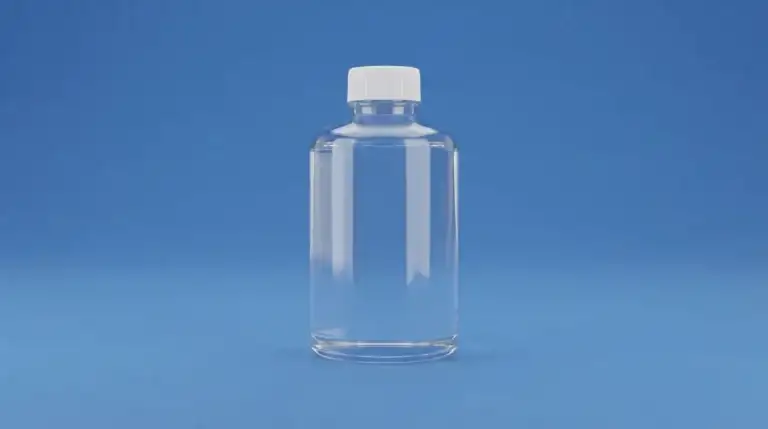

2-(2-Butoxyethoxy)ethanol

C8H18O3

112-34-5
| # | Parameter | Standart |
|---|---|---|
| 1 | Appearance | Clear, colourless liquid, no suspended matter |
| 2 | Color, Hazen (Pt-Co), max | 10 |
| 3 | Purity, min | 97–99% (GC) |
| 4 | Density at 20 °C | 0.952–0.956 g/cm³ |
| 5 | Water content, max | 0.10–0.15% w/w |
| 6 | Acidity as acetic acid, max | 0.01–0.05% w/w |
| 7 | Refractive index nD²⁰ | 1.430–1.433 |
| 8 | Boiling point | ~224–235 °C |
Butyl Diglycol (BDG), also known as diethylene glycol monobutyl ether (DEGBE, CAS 112-34-5), is a high-boiling glycol ether solvent valued across industry for its broad solvency, low toxicity, and exceptional compatibility with both water and organic solvents. These properties make BDG a practical and reliable choice for formulators working across paints, cleaning concentrates, textiles, and specialty chemical systems — particularly where a slow-evaporating, water-miscible solvent is required.
In Brazil, demand for BDG is expanding alongside growth in the construction, automotive coatings, and household cleaning sectors. Local manufacturers are incorporating this solvent to develop formulations that meet stricter performance and environmental requirements, particularly in low-VOC and water-borne product lines.
BDG is an ether alcohol with the molecular formula C₈H₁₈O₃. Its structure consists of two glycol units connected via a butyl chain, combining the solvency of an ether with the water-affinity of an alcohol — the origin of its broad formulation compatibility.
Key performance characteristics:
BDG serves distinct roles across the sectors that use it — not as a generic carrier but as a performance-specific solvent input.
Paints and coatings.
BDG is one of the most widely used co-solvents in water-borne and solvent-borne paint formulations. It improves pigment dispersibility, acts as a viscosity modifier, and enhances flow and leveling in enamel and architectural coatings without compromising drying time.
Cleaning concentrates and household products.
BDG functions as a coupling agent in liquid cleaners, keeping otherwise incompatible oil and water phases in stable solution. Effective in surface cleaners, degreasers, and industrial cleaning formulations.
Textile processing.
Used in dyeing and printing auxiliaries, BDG ensures even dye penetration and color distribution while preventing fabric damage during processing.
Specialty applications.
BDG also serves as a dispersant for vinyl chloride resins, a diluent in hydraulic brake fluids, and a functional additive in agricultural chemical formulations.
In paint and coating systems, BDG's primary value lies in improving application properties without sacrificing final film performance. Its high boiling point extends the open time of water-borne formulations, allowing better film coalescence and leveling on the substrate before the coating sets — particularly valuable in architectural and high-gloss systems.
In cleaning formulations, BDG acts as a mutual solvent, bridging the compatibility gap between water-soluble and oil-soluble components. This allows formulators to create single-phase concentrates that dilute easily and perform predictably in use.
BDG is typically used not as the primary carrier solvent but as a targeted performance modifier — at modest inclusion levels that deliver significant improvements in application behavior, stability, and end-user experience.
BDG is classified as a combustible liquid with a flash point of approximately 78°C:
Butyl Diglycol is widely used in industrial formulations due to its balanced solvent properties. It helps combine water and organic phases, improves coating application by extending open time, and increases cleaning performance while maintaining lower volatility and reduced odor compared with shorter-chain solvents.
As Brazilian industries continue to shift toward water-borne, lower-VOC formulations in response to regulatory pressure and market demand, BDG's role as a functional co-solvent becomes increasingly important across coatings, cleaners, and textiles.
Foscote Group supplies Butyl Diglycol and a broad portfolio of chemical raw materials to manufacturers and formulators across Brazil, providing reliable logistics, consistent quality, and dedicated technical support for both volume procurement and specialty R&D applications.
The extended chain length gives BDG a significantly higher boiling point and lower evaporation rate. This makes it the preferred choice where slow evaporation, extended open time, or high-temperature process stability is required.
Yes. BDG's full miscibility with water and its ability to dissolve a wide range of resins makes it one of the most effective co-solvents for water-borne architectural and industrial coatings. It improves coalescence, flow, and adhesion without compromising the water-borne character of the formulation.
BDG is used in cosmetics and personal care as a solvent and viscosity modifier. Applications require compliance with applicable regulations, including ANVISA requirements in Brazil.
BDG is supplied in two main commercial grades: 97% minimum and 99% minimum purity. The 99% grade is specified for demanding specialty coatings, electronics-related cleaning, and precision formulation work.
Get in touch
with us!
We source products from reliable manufacturers across the globe and are always looking forward to connecting with new suppliers and customers.