
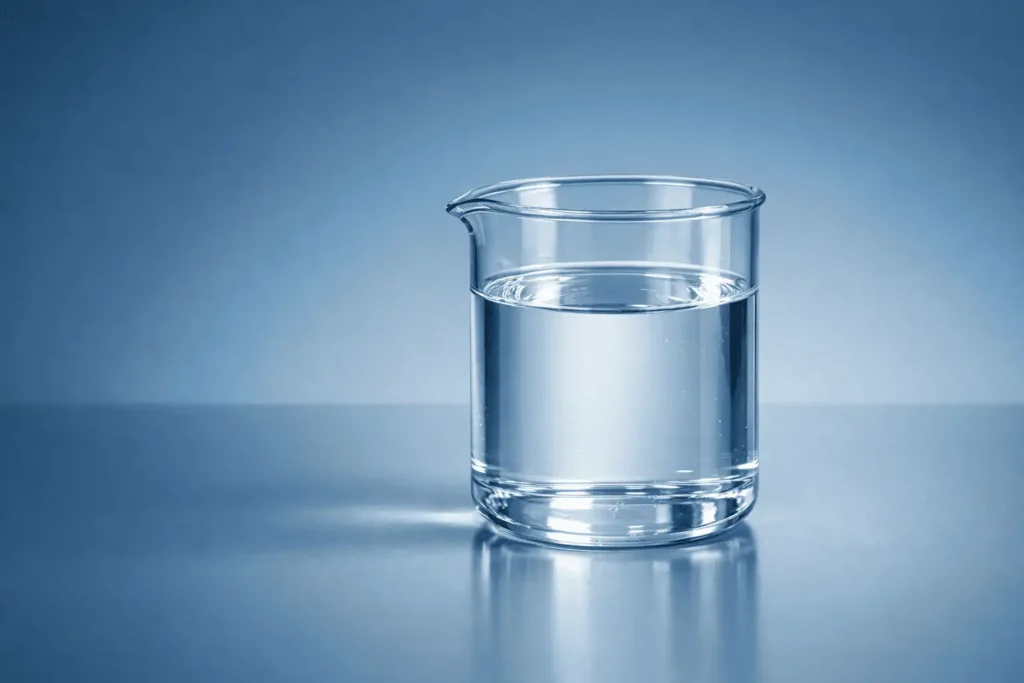

2-Hydroxypropyl Methacrylate

C7H12O3

27813-02-1
| # | Specification | Value |
|---|---|---|
| 1 | Appearance | Clear colorless liquid |
| 2 | Purity (Ester content), %, min | ≥ 97 |
| 3 | Color (APHA), max | ≤ 30 |
| 4 | Water content, %, max | ≤ 0.2 |
| 5 | Acid value, %, max | ≤ 0.2 |
| 6 | Specific gravity (20°C) | 1.040 – 1.050 |
| 7 | Inhibitor (MEHQ), ppm | 200 ± 20 |
| 8 | Application scope | Coatings, adhesives, functional polymers |
| 9 | Grade | Industrial grade |
2-Hydroxypropyl Methacrylate (HPMA) is a reactive monomer widely used in the production of specialty polymers and functional resins. Known for its hydroxyl functionality and reactivity, HPMA plays a crucial role in the formulation of high-performance coatings, adhesives, and sealants. In Brazil, demand is growing steadily as local manufacturers focus on products that require both flexibility and strong adhesion, especially in the automotive, construction, and industrial coatings sectors.
At the molecular level, HPMA contains a 2 Hydroxypropyl group attached to a methacrylate backbone. This structure combines the reactivity of the methacrylate group with the hydrophilic nature of the hydroxyl group.
Key characteristics include:
These traits make HPMA a preferred building block in systems requiring strong surface bonding and durability.
HPMA is utilized across a broad range of industrial processes where tailored polymer properties are essential. Common uses include:
Its ability to balance hardness and flexibility makes HPMA ideal for custom formulation strategies in the Brazilian industrial market.
In polymer systems, HPMA enhances adhesion to metals, plastics, and glass by increasing surface affinity. It also improves elasticity and long-term durability without sacrificing hardness or resistance. These benefits are especially relevant in high-performance environments such as:
By improving surface wetting and enabling strong copolymer interactions, HPMA consistently delivers performance advantages in demanding industrial settings.
To maintain its reactivity and stability, HPMA should be stored in tightly sealed containers in a cool, dry place, away from direct sunlight. Proper handling includes:
Following these protocols helps ensure product quality and safety during industrial processing.
HPMA continues to play an essential role in the advancement of modern materials, from coatings and adhesives to complex polymer networks. Its unique balance of reactivity, flexibility, and hydrophilic properties makes it a strategic monomer in Brazil’s industrial development.
Foscote Group supplies 2-Hydroxypropyl Methacrylate and a wide range of chemical raw materials to companies throughout Brazil. Our clients benefit from consistent quality, dependable logistics, and expert support tailored to the demands of industrial formulations.
HPMA is primarily used in coatings, adhesives, sealants, and specialty resins where flexibility, adhesion, and moisture resistance are critical.
Yes. Thanks to its methacrylate structure, HPMA blends well with other methacrylate or acrylate monomers, improving performance in copolymers.
The 2 Hydroxypropyl group provides hydrophilicity and reactive hydroxyl functionality, which enhances adhesion and water interaction in polymer systems.
Yes. Foscote Group supplies HPMA to industrial clients in Brazil with full documentation, quality assurance, and flexible delivery options.
Get in touch
with us!
We source products from reliable manufacturers across the globe and are always looking forward to connecting with new suppliers and customers.