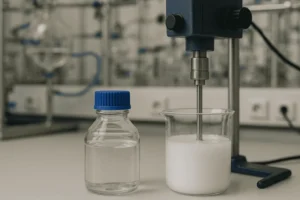
Soda ash, also known as sodium carbonate (Na2CO3), plays an essential role in modern industrial processes. It serves as a foundational chemical in the production of glass, detergents, chemicals, and even food-grade applications. Its versatility and cost-effectiveness have cemented its status as one of the most demanded industrial chemicals worldwide. In Brazil, a country with robust sectors such as mining, construction, and glass manufacturing, soda ash is critical for maintaining supply chains and operational efficiency. Understanding what is soda ash used for provides a foundation for grasping its economic significance.
Understanding soda ash grades
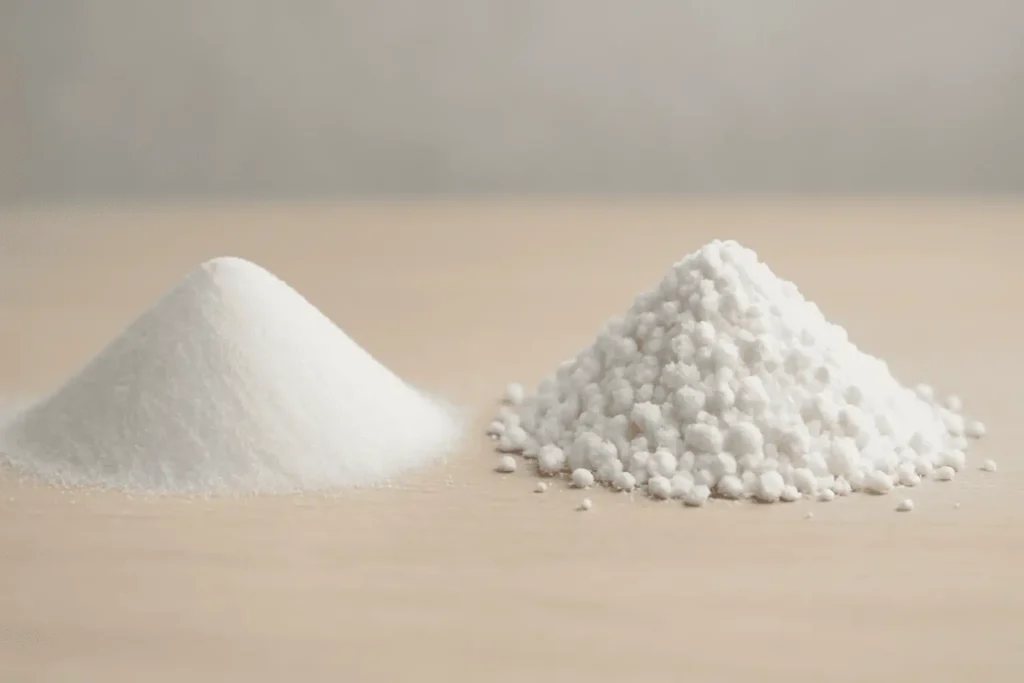
The industry primarily uses two types of soda ash: light and dense. While chemically identical, their physical forms differ due to varied production processes. Soda ash light has a fine, powdery texture and lower bulk density, whereas soda ash dense appears as larger granules with higher density and more compact structure.
This soda ash light vs dense comparison is crucial in industrial planning, as it impacts material handling, storage, and application suitability. The difference between soda ash light and dense lies not in chemical composition, but in particle size and intended end-use — a detail that can influence processing outcomes and cost-effectiveness in large-scale operations.
Soda ash light: characteristics and industrial applications
Soda ash light is known for its lower bulk density and higher solubility rate, which makes it ideal for processes that require quick dissolution. Its fine consistency allows for easy mixing and transport.
Key applications include:
- Glass production (especially container and flat glass)
- Detergents and cleaning agents
- Pulp and paper manufacturing
- Textile processing
In the glass industry, soda ash light benefits for glass industry operations by lowering the melting point of silica, thus reducing energy consumption and enhancing product clarity. Its solubility advantage is evident in the soda ash light solubility vs dense comparison, where light soda ash dissolves faster and more uniformly, improving efficiency in liquid-phase chemical reactions.
Soda ash dense: physical features and uses in Brazil
Soda ash dense is produced by compacting light soda ash into granular form, resulting in higher bulk density and better flow characteristics. It is ideal for applications requiring volume stability and minimal dust formation.
Industries in Brazil widely use soda ash dense in:
- Glass manufacturing (especially large-scale float glass)
- Metallurgy (as a fluxing agent)
- Water treatment (pH regulation)
In the context of soda ash dense Brazil, large industrial plants value the product for its mechanical stability and ease of handling in automated systems. Its granulated form helps reduce material loss and supports cleaner, safer industrial environments.

Soda ash market and industrial use in Brazil
Brazil’s growing industrial sectors have led to an increasing reliance on both soda ash grades. Soda ash uses in the country range from traditional applications in glass and detergents to more niche uses in mining and wastewater treatment.
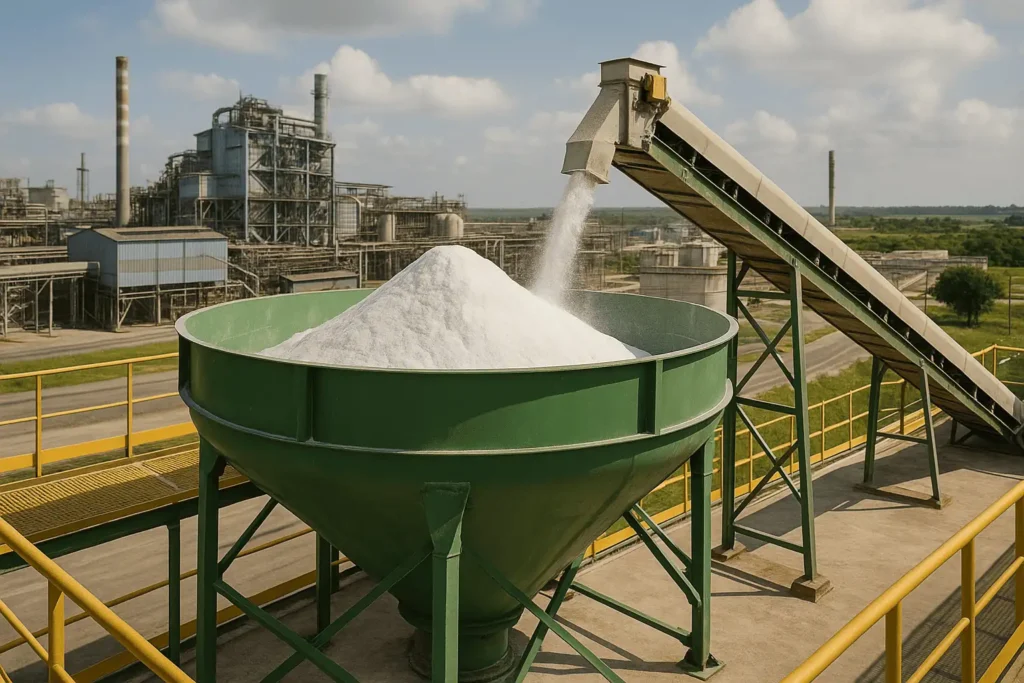
According to recent demand trends, soda ash Brazil uses and grades reflect a balanced need for both light and dense variants. Light soda ash is often selected for chemical processing and detergents, while dense soda ash dominates in the glass and construction sectors.
Conclusion: choosing the right grade with Foscote Group
Both soda ash grades offer distinct benefits depending on the application. Light soda ash supports fast-reacting formulations and liquid-based solutions. Dense soda ash offers volume efficiency and operational cleanliness in bulk applications.
For companies navigating this choice, Foscote Group provides tailored solutions backed by deep market understanding and technical expertise. As one of the most trusted soda ash suppliers in Brazil, we ensure consistent product quality, reliable logistics, and a broad portfolio including both light and dense grades.
Partnering with Foscote Group means accessing not only top-tier products but also guidance in selecting the best material for your industry needs. Whether your focus is on glass, chemicals, or detergents, our team is ready to help you move forward with confidence.