

Egypt

1344-09-8
| # | Parameter | Value |
|---|---|---|
| 1 | Molar Ratio | 1.7 |
| 2 | Sodium Monoxide (wt% Na2O) | 36.7 |
| 3 | Silica (wt % SiO2) | 65.52 |
| 4 | Total Solids (wt %) | 99.22 |
| 5 | Fe2O3% | 0.18 |
| 6 | Al2O3% | 0.33 |
| 7 | Insoluble matter% | 0.27 |
| 8 | Characteristics | Coarse lumps |
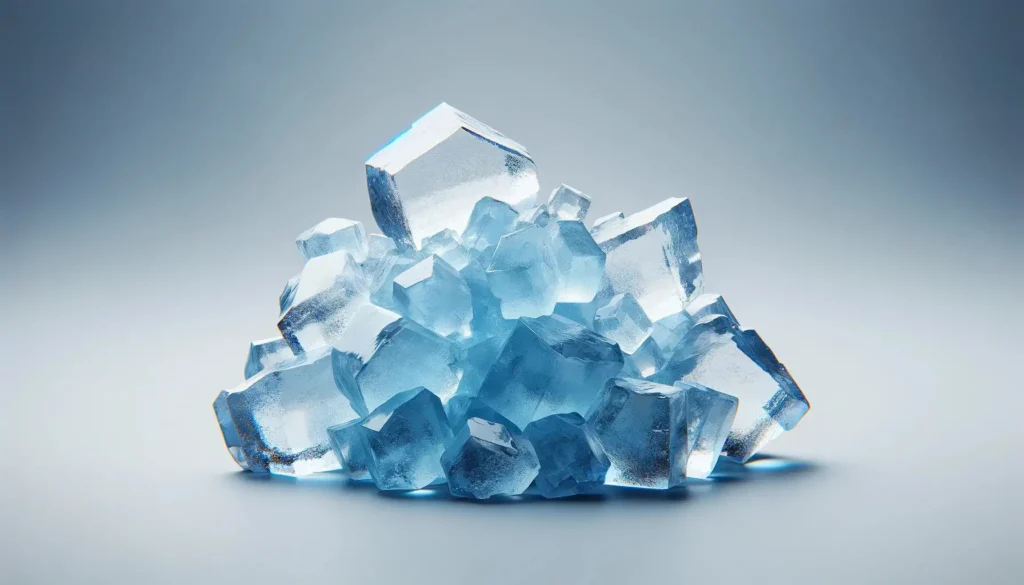
Sodium Silicate Solid 1.7 - is an essential chemical material known for its versatility and stability. As a form of sodium silicate solid, this product is produced by combining silica and alkali under controlled conditions, resulting in a hard, glass-like substance with numerous industrial applications. Its unique composition provides an excellent balance of strength, solubility, and durability, making it suitable for various sectors.
This robust compound serves as a foundational ingredient in processes like manufacturing, construction, detergents, adhesives, and more. Understanding basics about Sodium Silicate (solid, 1.7) helps to make better decisions for businesses that think about uses of sodium silicate.
What is sodium silicate solid 1.7, and why is it so valuable in various industries? Sodium silicate solid 1.7 formula, combining silica (SiO₂) and sodium oxide (Na₂O) in a precise balance. This stable composition delivers enhanced strength, durability, and solubility, making it a key component in numerous applications.
The sodium silicate solid 1.7 uses span multiple sectors, such as: construction industry, refractory industry, adhesives and binders, chemical manufacturing, water treatment.
By choosing our Sodium Silicate Solid 1.7, businesses gain access to a versatile, effective chemical solution that supports innovation, quality, and cost-effective production.
The range of importance and impact of solid sodium silicate is enormous in various industries, as it helps to increase efficiency, make it more economical and improve product quality.
In the construction industry, solid sodium silicate improves concrete additives, strengthens mortars and stabilizes grouts.
In the refractory industry, it supports the production of heat-resistant bricks, furnace linings and stove furniture.
For adhesives and binders, it improves wood adhesives, paper laminates and specialty tapes.
In chemical production, solid sodium silicate contributes to catalysts, detergents and silica-based additives.
Finally, in water treatment processes, it helps in flocculants, corrosion inhibitors and pH regulation, ensuring a cleaner and safer water supply.
By integrating this durable material, various sectors benefit from increased durability, reliability and cost effectiveness.
The application of sodium silicate 1.7 in the refractory industry revolves around increasing the performance and service life of heat-resistant materials. Using sodium silicate in refractory industry processes to achieve improved adhesion, reduced porosity and more uniform thermal stability. By carefully integrating this compound into the production of furnace linings, furnace furniture and other thermal insulation components, manufacturers can create more durable and cost-effective products. This approach allows for superior quality control and resource utilization, ultimately increasing competitiveness and efficiency in a sector that requires reliable and durable solutions.
Is sodium silicate solid 1.7 dangerous, or is sodium silicate ( solid, 1.7 ) safe for use across various industries in Brazil? Sodium Silicate Solid 1.7 is generally considered safe when appropriate handling guidelines are followed. Although alkaline, which may cause irritation upon direct contact with skin or eyes, this material can be managed without risk through proper protective measures. Gloves, eye protection, and adequate ventilation help ensure a secure working environment. Additionally, it is essential to store it in a dry, well-ventilated area and follow any provided safety data sheets. By taking these precautions, companies can confidently integrate sodium silicate solid 1.7 into their processes without compromising on safety or quality.
Determining the sodium silicate solid 1.7 price on a global scale involves several factors influencing its valuation and availability. Sodium silicate solid 1.7 cost can be affected by raw material sourcing, energy expenses, logistics, and market demand, especially in dynamic regions like Brazil, where industrial growth shapes procurement strategies. Additionally, currency fluctuations and regulatory standards influence final pricing for customers seeking consistent supply and quality assurance. To navigate these variables, businesses often compare offers from trusted suppliers who provide transparent information on product origin, quality certifications, and delivery options. By evaluating these considerations, clients can confidently order sodium silicate solid 1.7, ensuring they receive reliable materials that meet their production needs.
At Foscote Group, we understand that businesses in Brazil and around the world seek dependable partners for their sodium silicate solid 1.7 supply. Our extensive experience and robust logistics network ensure that clients receive their orders promptly and efficiently, regardless of their location. When determining where to buy sodium silicate ( solid,
1.7), choosing a supplier who consistently maintains strict quality control measures and adheres to international standards is crucial. We offer competitive pricing without compromising on product integrity, making our sodium silicate solid 1.7 a cost-effective choice for various industries. By partnering with Foscote Group, you gain access to a reliable source of this essential material, supported by our dedicated customer service team and technical expertise, ensuring that your operations run smoothly and efficiently.
Get in touch
with us!
We source products from reliable manufacturers across the globe and are always looking forward to connecting with new suppliers and customers.