Understanding the distinction between soda ash and baking soda is essential in both everyday life and industrial applications. While these two compounds share similarities in their chemical composition, they serve different purposes and have unique properties. This article delves into their differences, uses, and significance, particularly in Brazil, where both substances play vital roles in various sectors.
What is Soda Ash: Composition and application in Brazil
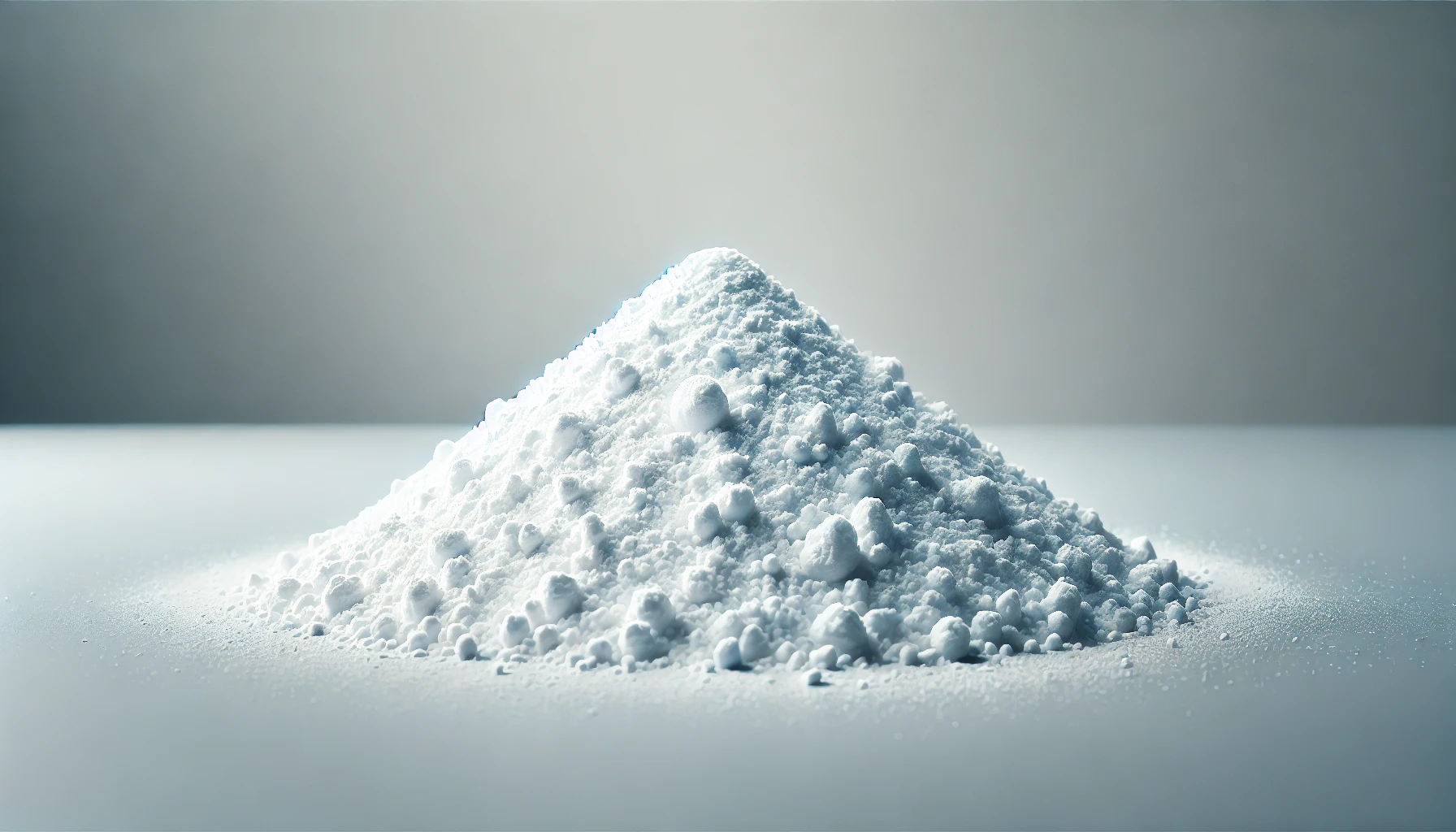
Soda ash, scientifically known as sodium carbonate, is a white, odorless, water-soluble salt with the chemical formula Na₂CO₃. Its molar mass of sodium carbonate is 105.99 g/mol. This inorganic compound is produced either naturally from mineral trona deposits or synthetically through the Solvay process.
Sodium carbonate is a strong alkali with a high pH level, making it highly effective in neutralizing acids and acting as a key ingredient in many industrial processes. In Brazil, soda ash is indispensable in several industries:
- Glass Manufacturing: It is a crucial component in producing glass products. Soda ash reduces the melting point of silica, facilitating the formation of glass. Brazilian glass manufacturers rely on sodium carbonate to produce bottles, windows, and fiberglass, supporting the country's construction and beverage industries.
- Detergent Production: Due to its ability to soften water and enhance cleaning efficiency, soda ash is used extensively in manufacturing laundry detergents and soaps in Brazil. It helps remove grease, oil, and stains from fabrics and surfaces.
- Water Treatment: Municipalities and industries use sodium carbonate to adjust the pH levels of water, ensuring safe and potable water for communities across Brazil.
- Pulp and Paper Industry: It serves as a processing aid in the pulp and paper sector, aiding in the separation of lignin from cellulose fibers.
- Chemical Manufacturing: Soda ash acts as a raw material in producing various chemicals, including sodium silicates and phosphates, which are essential for numerous industrial applications.
What is Baking Soda: Properties and applications in Brazil
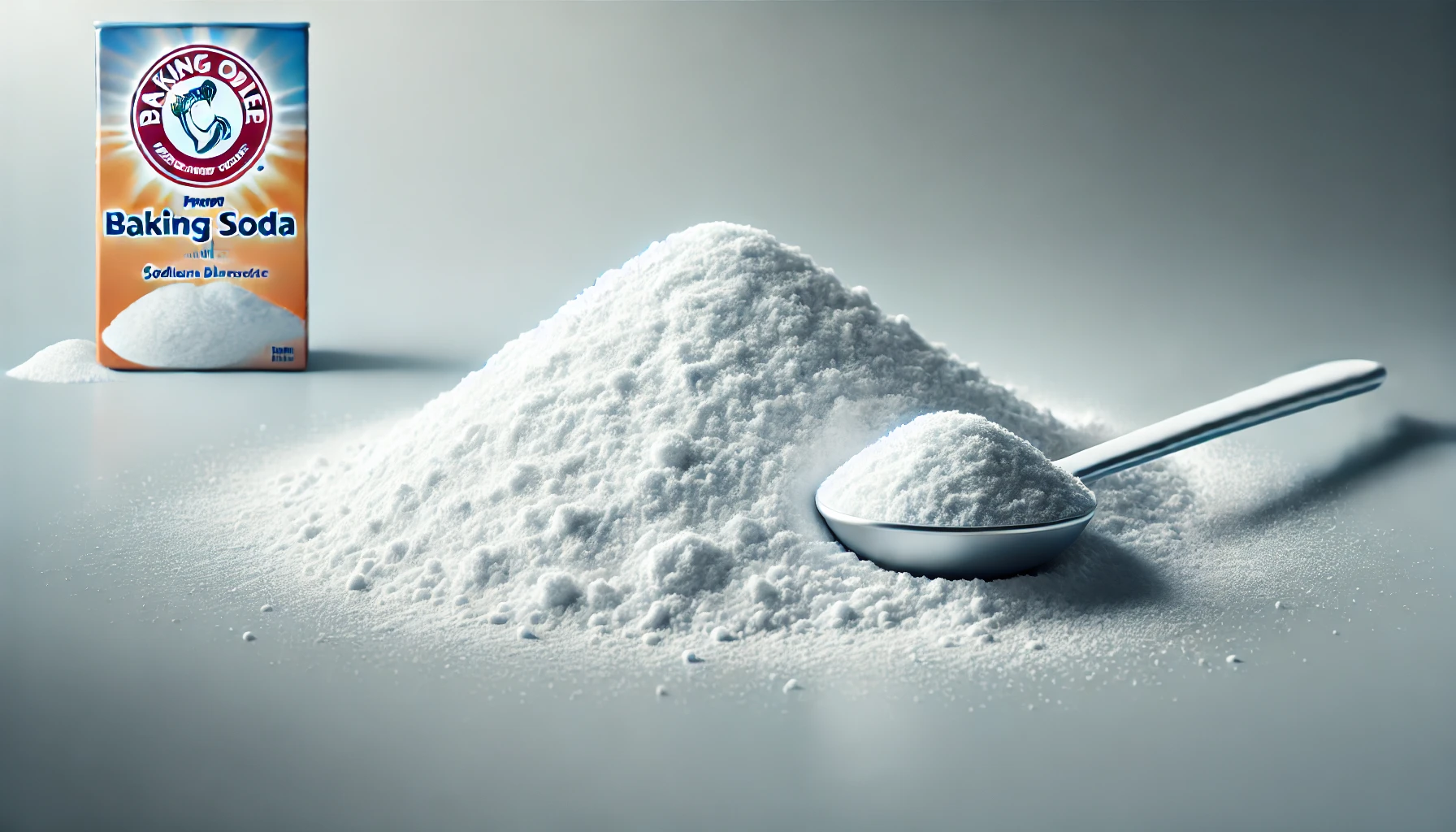
Baking soda, known chemically as sodium bicarbonate with the formula NaHCO₃, is a white, crystalline powder that is slightly alkaline and less caustic compared to soda ash. Its milder nature makes it suitable for use in food and personal care products.
When people inquire, "What's baking soda", it is often associated with its role in cooking as a leavening agent. In Brazil, baking soda holds significant importance in various domains:
- Culinary Uses: In Brazilian kitchens, baking soda is a staple ingredient in baking goods like breads, cakes, and pastries. It reacts with acidic components to produce carbon dioxide gas, causing dough to rise and resulting in fluffy textures.
- Medical Applications: Baking soda serves as an antacid to relieve heartburn and indigestion. Its ability to neutralize stomach acids provides quick relief from discomfort.
- Household Cleaning: Due to its mild abrasive properties and deodorizing effects, baking soda is widely used in Brazil for cleaning purposes. It effectively removes stains, cleans surfaces, and eliminates odors in refrigerators, carpets, and drains.
- Personal Care: It is an ingredient in toothpaste, deodorants, and bath products, offering gentle cleansing and neutralizing odors.
- Agriculture: Farmers in Brazil use baking soda as a natural pesticide and fungicide, helping to protect crops without harmful chemicals.
Similarities between Soda Ash and Baking Soda
Despite their different applications, soda ash and baking soda share several similarities due to their chemical relationship:
- Sodium Compounds: Both are sodium-based salts derived from carbonic acid, containing sodium ions that contribute to their reactivity.
- Alkalinity: They are alkaline substances, capable of neutralizing acids. This property is utilized in processes like pH adjustment and acid neutralization.
- CO₂ Release: When reacting with acids, both compounds release carbon dioxide gas. This reaction is fundamental in baking (with baking soda) and in certain industrial processes (with soda ash).
- Cleaning Applications: Both can act as cleaning agents. Their ability to soften water and remove grease makes them valuable in detergents and household cleaners.
These soda ash and baking soda similarities often lead to confusion, but understanding their distinct characteristics is crucial for proper usage.

Differences between Soda Ash and Baking Soda
While they share some similarities, the differences between soda ash and baking soda are significant:
- Chemical Composition: Soda ash is sodium carbonate (Na₂CO₃), whereas baking soda is sodium bicarbonate (NaHCO₃). The extra hydrogen and oxygen in baking soda's formula result in different properties.
- pH Levels: Soda ash has a higher pH (around 11.5), making it a stronger base, while baking soda has a pH of about 8.4, making it milder and safer for consumption and skin contact.
- Causticity: Soda ash is more caustic and can cause irritation upon contact with skin or eyes, requiring careful handling. Baking soda is safe for ingestion and gentle on the skin.
- Applications: Soda ash is predominantly used in industrial settings for manufacturing and processing, such as glass production and water treatment. In contrast, baking soda is used in culinary, medical, and household applications.
- Solubility: Baking soda is more soluble in water than soda ash, affecting how they are used in solutions and reactions.
Understanding these soda ash and baking soda differences is essential for selecting the appropriate compound for specific tasks, ensuring safety and effectiveness.
Pricing factors for Soda Ash and Baking Soda in Brazil
The pricing of soda ash and baking soda in Brazil is influenced by various factors:
Soda Ash Price Factors:
- Raw Material Costs: The availability and cost of raw materials like trona ore or limestone impact production expenses.
- Energy Consumption: Soda ash production, especially through the Solvay process, is energy-intensive, making energy prices a significant cost factor.
- Global Demand: Industrial demand, particularly from glass manufacturing and chemical industries, affects market prices.
- Exchange Rates: For imported soda ash, fluctuations in currency exchange rates can influence costs.
- Environmental Regulations: Compliance with environmental policies may increase operational costs, impacting the final price.
Baking Soda Price Considerations:
- Production Methods: Baking soda can be produced as a byproduct of soda ash manufacturing or synthesized directly, affecting cost efficiency.
- Purity and Grade: Food-grade baking soda requires higher purity levels, which can increase production costs.
- Packaging and Distribution: Costs associated with packaging for retail sale and distribution logistics contribute to the final price.
- Market Demand: Consumer demand in culinary and household markets influences pricing dynamics.
Generally, soda ash tends to be more expensive due to its industrial nature and higher production costs, while baking soda remains affordable and accessible for everyday consumers in Brazil.
Conclusion: Making the right choice between Soda Ash and Baking Soda
In conclusion, both soda ash and baking soda are valuable compounds with distinct applications. Understanding their differences ensures their effective and safe use:
- Soda Ash Applications: Ideal for industrial purposes such as glass manufacturing, water treatment, chemical production, and textile processing. Its strong alkalinity and reactivity make it suitable for heavy-duty tasks.
- Baking Soda Applications: Perfect for household and personal uses like cooking, cleaning, personal care, and minor medical treatments. Its mild nature and safety for ingestion make it versatile in daily life.
Selecting the right substance depends on the specific requirements of your project or task. Misusing one for the other could lead to ineffective results or safety concerns.
As a leading supplier of chemical materials, Foscote Group offers high-quality soda ash across Brazil, supporting industries with reliable products and expertise. We are committed to meeting the diverse needs of our clients, ensuring they have the appropriate materials for their applications.